When you look out onto the Hudson River, you may see a majestic bridge, a picturesque town or a soaring skyline. But one thing that shouldn’t be missed is a historic lighthouse, a symbol of this iconic American river’s maritime past and a reminder of the dangers that once faced it and its waterborne commerce. Fortunately, seven of the lighthouses that punctuate this tidal river still stand today.
The most famous lighthouse is the Stony Point Lighthouse, a two-story building that was built in 1826 on the site of one of the Revolutionary War’s last battles. The keeper’s living quarters on the first floor have simple Victorian furniture and lace curtains, while the second-floor bedroom is now used for tours.
This lighthouse was needed when the Erie Canal opened in 1825, turning the Hudson into a bustling shipping route that connected New York City to the Great Lakes and powered America’s westward expansion. Once upon a time, 14 lighthouses dotted the river. But most have been rendered obsolete by modern navigational tools and only seven now shine their beacons.
Among those is the Esopus Meadows Lighthouse, known as “Maid of the Meadows.” Built in 1873 to replace a previous lighthouse that was destroyed by winter ice, it’s the only wooden lighthouse on the river. The keeper’s living quarters were on the first floor and the tower was on the second, making it the only lighthouse with a double-story dwelling. The lighthouse’s unusually shaped granite caisson, designed to better withstand debris and ice floes on the riverbed, is its most distinctive feature.
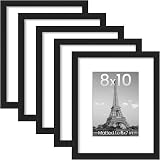
upsimples 8x10 Picture Frame Set of 5, Display Pictures 5x7 with Mat or 8 x 10 Without, Wall Gallery Photo Frames, Black
$18.99 (as of December 25, 2025 20:42 GMT +00:00 - More infoProduct prices and availability are accurate as of the date/time indicated and are subject to change. Any price and availability information displayed on [relevant Amazon Site(s), as applicable] at the time of purchase will apply to the purchase of this product.)
Amazon Echo Show 5 (newest model), Smart display with Alexa+ Early Access, 2x the bass and clearer sound, Charcoal
$59.99 (as of December 25, 2025 20:42 GMT +00:00 - More infoProduct prices and availability are accurate as of the date/time indicated and are subject to change. Any price and availability information displayed on [relevant Amazon Site(s), as applicable] at the time of purchase will apply to the purchase of this product.)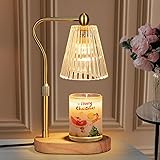
seenlast Candle Warmer Lamp with Timer Dimmer Adjustable Height for New Home Bedroom,Mothers Day Gifts,Vintage Home Decor for Scented Jar
$33.98 (as of December 25, 2025 20:42 GMT +00:00 - More infoProduct prices and availability are accurate as of the date/time indicated and are subject to change. Any price and availability information displayed on [relevant Amazon Site(s), as applicable] at the time of purchase will apply to the purchase of this product.)
LaVie Home 11x14 Picture Frame for Wall Display, 11 x 14 Black Picture Frame with HD Plexiglas, 11 by 14 Poster Frame 1 Pack, Display Frame for Vertical or Horizontal, Classic Collection
$6.79 (as of December 25, 2025 20:42 GMT +00:00 - More infoProduct prices and availability are accurate as of the date/time indicated and are subject to change. Any price and availability information displayed on [relevant Amazon Site(s), as applicable] at the time of purchase will apply to the purchase of this product.)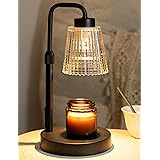
GODONLIF Candle Warmer Lamp with Timer Dimmable, Birthday Gifts for Women Mom, House Warming Gifts New Home Decor, Wax Melt Warmer for Jar Candles with 2 Bulbs
$32.99 (as of December 25, 2025 20:42 GMT +00:00 - More infoProduct prices and availability are accurate as of the date/time indicated and are subject to change. Any price and availability information displayed on [relevant Amazon Site(s), as applicable] at the time of purchase will apply to the purchase of this product.)
Gifts for Him Her Boyfriend Girlfriend Birthday Christmas, To My Love Handmade Crochet Penguin, Wedding Anniversary Valentines Gift for Women Men, Romantic I Love You Gift for Couples Wife Husband
$12.99 (as of December 25, 2025 20:42 GMT +00:00 - More infoProduct prices and availability are accurate as of the date/time indicated and are subject to change. Any price and availability information displayed on [relevant Amazon Site(s), as applicable] at the time of purchase will apply to the purchase of this product.)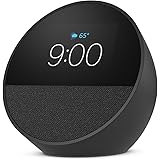
Amazon Echo Spot (newest model), Great for nightstands, offices and kitchens, Smart alarm clock with Alexa+ Early Access, Black
$44.99 (as of December 25, 2025 20:42 GMT +00:00 - More infoProduct prices and availability are accurate as of the date/time indicated and are subject to change. Any price and availability information displayed on [relevant Amazon Site(s), as applicable] at the time of purchase will apply to the purchase of this product.)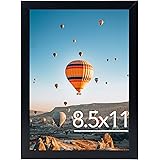
JCJMY 8.5x11 inch Picture Frame Black for Certificate Poster and Photo, Horizontal and Vertical Formats for Wall Hanging or Tabletop, 8.5x11 Frame with Shatter Resistant Plexiglass, Black
$5.49 (as of December 25, 2025 20:42 GMT +00:00 - More infoProduct prices and availability are accurate as of the date/time indicated and are subject to change. Any price and availability information displayed on [relevant Amazon Site(s), as applicable] at the time of purchase will apply to the purchase of this product.)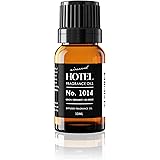
AirScent Hotel Diffuser Oil No. 1014 Inspired by The Iconic 5-Star Hotel Coastal Blend - Lemon Bergamot Sea Breeze - 10 mL .34 fl oz - Fragrance Oil for Ultrasonic and Waterless Diffusers and Crafting
$6.99 (as of December 25, 2025 20:42 GMT +00:00 - More infoProduct prices and availability are accurate as of the date/time indicated and are subject to change. Any price and availability information displayed on [relevant Amazon Site(s), as applicable] at the time of purchase will apply to the purchase of this product.)